

Glass Mosaic Tiles vs. Ceramic Mosaic Tiles: A Side-by-Side Comparison
Glass Mosaic Tiles vs. Ceramic Mosaic Tiles: A Side-by-Side Comparison
Two trays of mosaic tiles can look almost identical under showroom lights, then behave completely differently once they are on your wall or shower floor. The split usually comes down to one thing: what the tile is actually made of. Glass and ceramic are the two materials most homeowners in Singapore choose between, and each one earns its place in different corners of the home.
This comparison walks through how the two materials differ in water resistance, durability, cost, look, and installation, so you can match the tile to the room rather than the other way round.
What Sets the Two Materials Apart
Glass mosaic tiles are made by fusing sand and mineral pigments at high heat into small, solid pieces. The colour is part of the glass itself, not a coating, which is why a chipped edge on a deep blue glass tile is still blue underneath. Light passes into the surface and bounces back, giving glass its signature depth and that faint glow you notice on a pool wall.
Ceramic mosaic tiles start as clay, which is shaped, glazed, and fired. The glaze forms a hard skin that carries the colour and pattern, while the body underneath stays matte and slightly porous. Porcelain mosaics are a denser, more vitrified cousin of standard ceramic, fired hotter and built to absorb even less water. When people say a ceramic tile feels more solid underfoot, they are usually describing porcelain.
There is also a practical difference in how the two arrive on site. Most mosaics, glass or ceramic, come pre-assembled on mesh-backed or paper-faced sheets roughly 300mm square, which keeps spacing consistent and speeds up laying. Glass sheets are heavier for their size, and the chips tend to be small and uniform, while ceramic mosaics come in a far wider spread of shapes, from classic squares to hexagons, fish-scale, and penny rounds. That range is part of why ceramic wins on pattern variety and glass on pure surface effect.
Neither material is better in a vacuum. The right call depends on whether you care more about how light plays across the surface, how much it costs per square metre, or how well it holds up to a decade of foot traffic.
Water Resistance and Where It Matters
Glass wins outright on water. It is non-porous, so it absorbs nothing essentially and shrugs off moisture, chlorine, and salt without staining. That property is exactly why glass dominates pool linings and steam-heavy shower niches. If you are tiling a wet zone where the surface is constantly damp, glass holds its colour and finish for years.
Ceramic is not far behind, and porcelain closes the gap almost entirely. A well-glazed ceramic mosaic resists water on its surface perfectly for bathroom walls and backsplashes. The difference shows up at the grout lines and in submerged conditions, where glass and dedicated pool tiles pull ahead. For a typical HDB or condo bathroom that gets daily showers but never sits underwater, both materials perform well.
Singapore's Climate and the Practical Effect
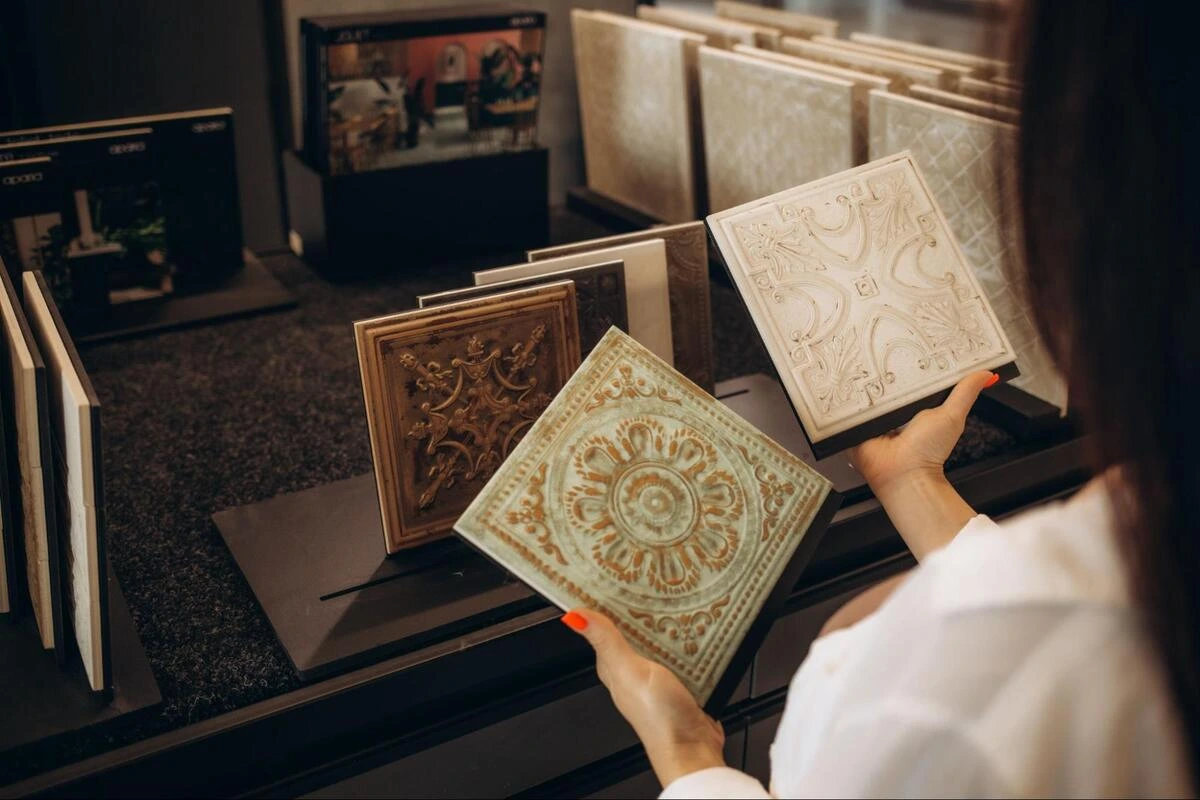
Tiles here live with year-round humidity, frequent rain, and bright sun on west-facing balconies. Two things follow from that. First, anything in a permanently damp spot benefits from a non-porous surface, which favours glass in showers and around water features. Second, outdoor mosaics face real UV exposure, and colour fastness matters.
Glass holds colour exceptionally well because the pigment is fused inside it, so a glass feature wall on a sunny balcony resists fading. Glazed ceramic also stands up to the sun, though very dark or vivid glazes can shift slightly over many years of direct afternoon light. On a covered patio or an interior wall, this is a non-issue for either material.
Durability and Daily Wear
On floors, ceramic and porcelain are the safer bet. The glazed surface is hard, scratch-resistant, and rated for foot traffic, which is why ceramic mosaics turn up on bathroom floors, entryways, and powder rooms. Textured and matte ceramic finishes also give better grip underfoot, an important point for wet floors.
Glass is tougher than it looks, but it has limits. The surface is softer than a fired glaze, so a glass floor in a busy hallway will pick up fine scratches and scuffs over time. Glass also shows the occasional chip more visibly. None of this rules glass out, it simply points it toward walls, splashbacks, and pool surrounds rather than heavily walked floors.
A simple way to remember it: glass is a wall-and-water material, ceramic is a floor-and-everywhere material. Plenty of homes use both, letting each do what it does best.
Look, Light, and Design Range
Glass has a depth that ceramic cannot quite copy. Because light enters and reflects, glass mosaics read as luminous and are brilliant for adding sparkle to a feature wall or a sense of movement to a pool. They come in clear, frosted, iridescent, and metallic gold and silver finishes that catch the eye. For a backsplash or accent wall meant to be the focal point of a room, glass earns its premium.
Ceramic offers a wider range of patterns, shapes, and matte effects, and it is far better at imitating natural materials like stone, marble, and terracotta. If you want a calm, earthy, or handmade look rather than a reflective one, ceramic gives you more to work with. Solid-colour mosaics in either material remain the easiest way to tie a scheme together without overwhelming a small space.
Cost and Budget
Ceramic is generally the more affordable choice. Clay is cheaper to produce than fused glass, and the wider supply keeps prices accessible across most ranges, which makes ceramic a sensible pick when you are tiling a larger area or working to a tighter renovation budget.
Glass usually costs more per square metre, with speciality finishes like iridescent or metallic glass sitting at the top end. The upside is that glass is often used in smaller doses, as a strip, a niche, or a single feature wall, so the higher unit price lands on far less surface area. A short run of glass behind a vanity can lift an entire bathroom without a large expense.
Installation and Upkeep
- Glass is translucent, so it needs white adhesive; a grey or dark adhesive shows through and dulls the colour.
- Glass edges are sharper, and the material is less forgiving to cut, which makes professional installation the safer route for anything beyond a small backsplash.
- Ceramic hides the adhesive underneath and tolerates standard products, so it is more forgiving for a careful DIY job.
Matching the Material to the Room
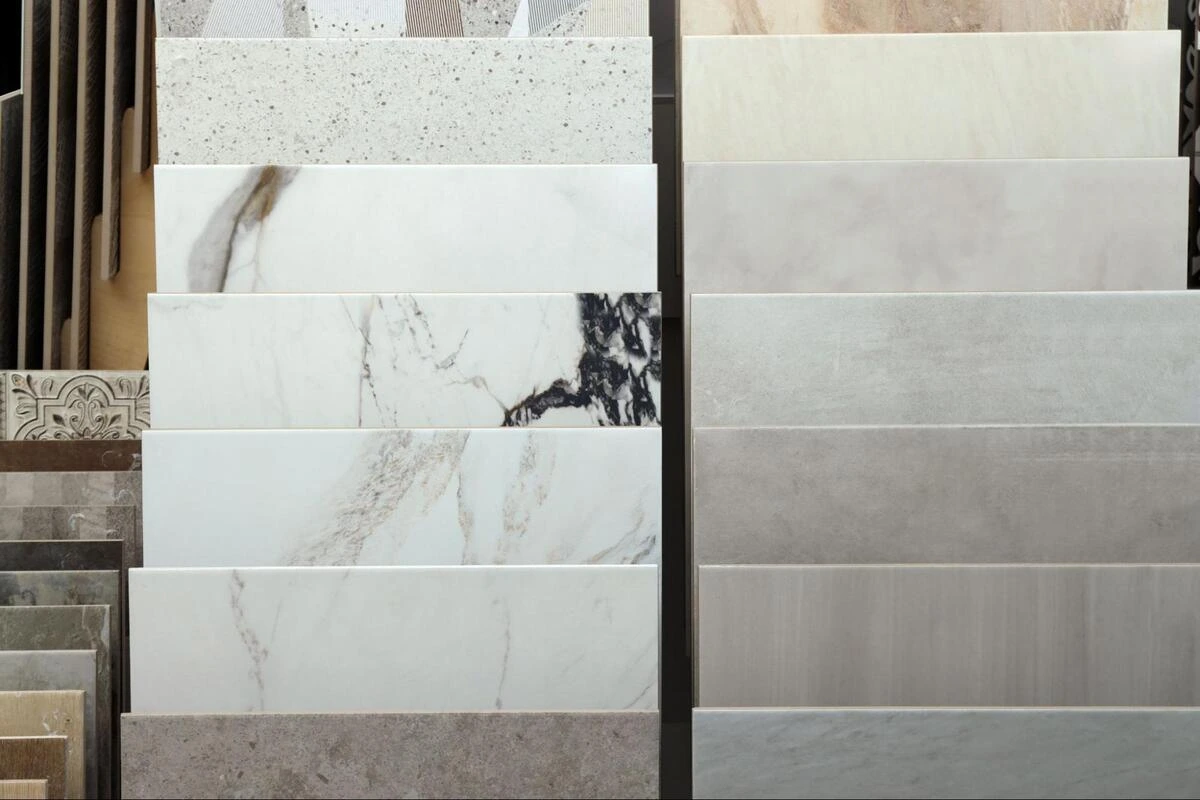
It helps to think room by room rather than in the abstract. In the kitchen, a backsplash sits at eye level, stays mostly dry, and wants to catch light, so a glass mosaic behind the hob or sink reads beautifully and wipes clean of oil splatter in seconds. If the backsplash runs the full length of a long counter and the budget is tight, a ceramic mosaic in a stone or marble effect covers more ground for less.
In the bathroom, the split is clearest. Use ceramic or porcelain on the floor for grip and wear, and reserve glass for the shower wall, the niche, or a vertical feature strip where its glow does the most work. A glass-lined shower niche is a small, high-impact detail that costs little because the area is tiny.
Outdoors and around water, glass is hard to beat. Pool waterlines, water features, and large-format patios edged with a glass mosaic band all play to the material’s strengths, since the surface never absorbs water and the colour holds under the sun. For an open balcony floor that takes furniture and foot traffic, swing back to a textured ceramic for safety and durability.
Glass vs. Ceramic Mosaic Tiles at a Glance
The table below sums up how the two materials compare across the factors that usually decide a project.
| Factor | Glass Mosaic | Ceramic Mosaic |
|---|---|---|
| Water resistance | Non-porous; absorbs almost no water | Low absorption; porcelain near zero |
| Light and colour | Reflects light; colour runs through the glass | Matte to glossy; colour sits on the glaze |
| Scratch resistance | Softer surface; shows scuffs over time | Harder glazed face; takes wear well |
| Best for | Pools, showers, backsplashes, feature walls | Floors, bathroom walls, high-traffic areas |
| Slip underfoot | Low; better on walls than floors | Available in textured, floor-rated finishes |
| Typical cost | Higher per square metre | More budget-friendly across most ranges |
| Installation | Needs white adhesive; careful grouting | Standard adhesive; more forgiving to lay |
Choosing the Right One for Your Space
Start with the room, not the tile. For a pool, a shower, or a backsplash where you want light and water resistance, glass is the natural fit. For a floor, a high-traffic bathroom, or a large wall area on a budget, ceramic or porcelain makes more sense. Many of the best results pair the two, ceramic across the broad surfaces and a band of glass as the accent that draws the eye.
Colour and finish are easier to judge in person than on a screen, since glass shifts with the light and ceramic glazes read differently across a full wall. Bringing home a sample board or comparing finishes side by side in a showroom is the surest way to see how a tile will actually behave once it is up. Match the material to how the space is used, and either choice will hold its own for years.
Recent Posts
- What Are Mosaic Tiles? Materials, Sizes, and Finishes Explained
- Glass Mosaic Tiles vs. Ceramic Mosaic Tiles: A Side-by-Side Comparison
- How to Calculate Mosaic Tile Quantities for Your Bathroom Project
- Understanding Mosaic Tiles: Types, Uses, and Installation Tips
- Large Format Tiles vs. Mosaic Tiles: Which is Better for Singapore Bathrooms?
Recent Comments
CATEGORIES
- Adhesive Application (1)
- Architecture (3)
- default-uncatogories (2)
- Exterior (3)
- Interior (16)
- List (1)
- Tiles Cutting & Drilling (6)
- Tiles Leveling System (1)
- Tiles Moving (2)
- Uncategorized (1)
